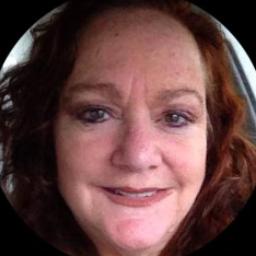
- 32 years experience
- Florida LCSW
- Speaks English and Hebrew
About Francine
Her style is respectful and down-to-earth. She listens first and adapts sessions to each person’s needs. The aim is to support people through practical steps, coping skills, and steady emotional support rather than promise quick fixes.
Francine has worked in social services since 1980 and has been a Florida LCSW since 1993. That experience includes helping people across the age spectrum with trauma, grief and loss, anger management, and depression. Her long practice gives her familiarity with chronic illness, caregiving stress, end-of-life concerns, and isolation or loneliness.
In sessions she uses approaches such as client-centered work, cognitive behavioral techniques, narrative approaches, solution-focused steps, and trauma-focused methods. These give her different ways to help people change unhelpful thoughts, tell their story in a new way, and build small, realistic goals.
People who reach out can expect someone who values compassion and practical support. Francine tailors conversations and treatment plans to each person. She aims to help clients feel more empowered and to move toward a more manageable, meaningful life.
Areas of expertise
Additional focus areas
Therapeutic approaches
Experience
32+ years
Credentials
Florida
Languages
English, Hebrew
How her approaches translate to online work
Client-Centered Therapy focuses on what matters to the person in front of her. It involves listening, reflecting back what is heard, and adjusting the pace to match the client. This approach helps when someone needs a steady, respectful space to talk about stress, grief, or life changes.Cognitive Behavioral Therapy, or CBT, looks at the links between thoughts, feelings, and actions. It uses simple exercises to identify unhelpful thinking patterns and try practical changes. CBT is often useful for anxiety, depression, and coping with chronic illness or caregiving stress.
Narrative Therapy helps people separate themselves from their problems by re-framing the stories they tell about their lives. It can be useful for trauma, loss, and finding new meaning during difficult transitions.
She will work with each person to find the best mix of approaches. Figuring out which methods fit is a collaborative process based on needs, goals, and personal preference rather than a one-size-fits-all plan.
Confirm the available session formats before booking, as the biography does not list specific options. Online sessions can make it easier to fit therapy into a busy day, allow shorter check-ins when needed, and reduce travel time. Those practical benefits often help people continue care during caregiving demands, chronic illness, or other life constraints.
Frequently asked questions
What concerns does Francine commonly address?
She works with stress, anxiety, trauma and abuse, grief, depression, and coping with life changes, plus related issues like chronic illness, caregiving stress, body image, and isolation.
What is her general therapeutic style?
Her style is client-centered and collaborative with a practical focus. Sessions emphasize listening, tailoring dialogue, and creating steps a person can try between meetings.
How many years of experience does she have?
She has worked in social work since 1980 and has over 32 years of professional experience as a clinician.
What credentials and location are listed?
She is a Licensed Clinical Social Worker (LCSW) licensed in Florida and practices from that state.
Which languages are supported?
Sessions are offered in English and Hebrew, and she accepts international clients who use those languages.
What session formats are available?
The biography does not specify session formats; please confirm current session options before booking to make sure they fit your needs.
How does billing and cost work?
Cost varies with location and therapist availability; sessions use a subscription model that can be canceled at any time.
How do I start a therapy relationship?
Begin by selecting the Start Therapy button, completing a short matching questionnaire, and then scheduling according to the therapist's availability.