- Trauma and dissociation
- Stress and anxiety
- Grief and caregiving
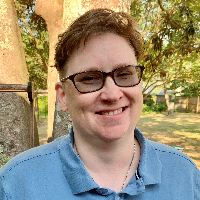
About Heather
She brings ten years of clinical experience and an extended personal connection to dissociative disorders. That background shapes how she listens and responds to people coping with trauma, dissociation, and the long recovery process. Heather also supports people dealing with burnout, compassion fatigue, and career stress.
Her approach draws on Client-Centered Therapy, Dialectical Behavior Therapy (DBT), Emotionally-Focused Therapy (EFT), Existential ideas, and Eye Movement Desensitization and Reprocessing (EMDR). In sessions she helps clients notice patterns, practice skills, and try new ways of relating to themselves and others. She also uses expressive and reflective methods when they fit a person’s goals.
Heather has worked across elder care settings, community mental health, university counseling, and with LGBTQIAP+ and frontline worker communities. That variety informs how she tailors sessions to different life situations and stressors. She also writes and speaks publicly to increase understanding of dissociative conditions.
Heather is based in North Carolina and offers services in English. People who want to begin can use the Start Therapy button, complete a short matching questionnaire, and schedule according to therapist availability.
Areas of expertise
Primary focus
Also works with
Additional focus areas
Therapeutic approaches
Experience
10+ years
Credentials
North Carolina
Languages
English
How Heather’s approaches fit into online therapy
Client-Centered Therapy focuses on listening without judgment and helping people find their own solutions; it can be useful for building trust and for working through stress, grief, and relationship concerns. Dialectical Behavior Therapy, or DBT, teaches practical skills for managing intense emotions, improving relationships, and coping with crises, and it often includes exercises a person practices between sessions. Eye Movement Desensitization and Reprocessing, EMDR, is a trauma-focused method that helps people process upsetting memories and reduce their emotional charge when trauma is a central concern.Finding the right approach is part of the work. Heather will discuss your needs, goals, and preferences and together you will decide which methods to try. That collaborative process lets treatment shift if something isn’t fitting or if different goals emerge.
Online therapy can make it easier to fit sessions into a busy life by reducing travel and allowing appointments from a convenient location. Confirm the current session options before booking so you know how sessions are offered. Many people find that skills practice, reflective talking therapy, and trauma processing can all be moved online in ways that fit daily routines and treatment goals.
Frequently asked questions
What kinds of concerns does she address?
She helps people facing stress, anxiety, addiction, depression, trauma and abuse, relationships, grief, and intimacy-related issues, among other concerns.
How would you describe her therapeutic style?
Her style is collaborative and practical, combining client-centered listening with skills-based methods like DBT and trauma-focused work when appropriate.
What is her clinical background?
She has ten years of clinical experience and has worked in elder care, community mental health, university settings, and with LGBTQIAP+ and frontline populations.
What credentials and location are on record?
She holds the LCMHC credential and practices from North Carolina.
Which languages and international options are supported?
Sessions are offered in English and she accepts international clients.
What session formats are available?
Please confirm current session options before booking so you know which formats are offered for scheduling.
How are fees and payment handled?
Cost varies with location and therapist availability; sessions use a subscription that can be canceled at any time.
How do I begin working with this therapist?
Use the Start Therapy button, complete a short matching questionnaire, and schedule according to the therapist's availability.