- Integrative approach
- Trauma-aware care
- Speaks Igbo Yoruba
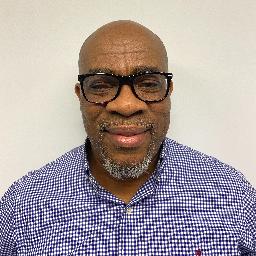
About Joseph
He describes his work as collaborative and tailored. Sessions aim to increase self-awareness, clarify goals and build practical skills that people can use between meetings. He uses evidence-informed techniques and prioritises listening and empathy in every conversation.
Joseph's background combined humanistic, psychodynamic and cognitive-behavioural training. In practice he draws on cognitive-behavioural strategies, mindfulness, Gestalt ideas and trauma-aware ways of working. He adapts interventions to suit each person rather than following a single formula.
People come to him for a wide range of concerns, including addictions, anger, sleep and eating difficulties, chronic pain or illness, career stress and coping with major life changes. He also supports people dealing with attachment problems, abandonment and separation.
He works in English and also offers sessions in Igbo and Yoruba. Joseph emphasises continual professional development and supervision to refine his approach. He aims to help clients rediscover resilience and build realistic steps toward their goals.
Areas of expertise
Primary focus
Also works with
Additional focus areas
Therapeutic approaches
Experience
6+ years
Credentials
BACP · United Kingdom
Languages
English, Igbo, Yoruba
How therapeutic approaches translate to online work
Acceptance and Commitment Therapy (ACT) helps people notice their thoughts and commit to actions that match their values. It is useful for anxiety, depression and coping with difficult life changes. Cognitive Behavioural Therapy (CBT) focuses on spotting unhelpful thinking and testing small behavioural changes to reduce symptoms like low mood or panic. CBT can be helpful for sleep, eating concerns and managing stress.Finding the right approach is a shared task. The therapist will talk with the client about goals, preferences and what has or hasn’t worked before. Together they choose or blend approaches so the work feels relevant and doable rather than theoretical.
If you are considering online sessions, confirm current session options before booking as specific formats are not listed here. Online work can make it easier to fit therapy into a busy week, allow shorter check-ins when needed, reduce travel time and let people join from different locations. Many clients find that having sessions remotely helps them maintain continuity during life changes while still focusing on the same practical skills and emotional processing they would use in person.
Frequently asked questions
What concerns does Joseph support people with?
He works with adults facing stress, anxiety, depression and relationship difficulties, as well as trauma, grief, addiction and a wide range of related issues such as chronic pain, body image and career strain.
How would you describe his therapeutic style?
Joseph uses a collaborative, person-centred style with practical techniques. He listens actively and blends talking with skills-based work tailored to each person's needs.
What is his professional background?
He trained in Integrative Counselling and Psychotherapy and has six years of clinical experience working in placements and private practice.
What credentials and region are listed?
He is registered with the British Association for Counselling and Psychotherapy (BACP) and practises in the United Kingdom.
Which languages are available for sessions?
Sessions are offered in English, Igbo and Yoruba to accommodate speakers of those languages.
Can international clients work with him?
Yes, international clients are accepted; please check time differences when scheduling.
How are sessions charged?
Cost varies with location and therapist availability; sessions use a subscription that can be cancelled at any time.
What is the first step to begin therapy?
Use the Start Therapy button, complete a short matching questionnaire, and then schedule sessions according to the therapist's availability.