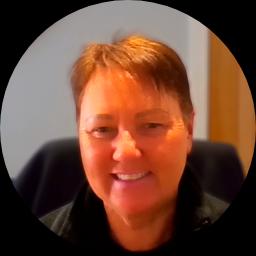
- Person-centred focus
- Trauma informed
- Works with ADHD
About Karen
She has worked in a range of settings including GP surgery counselling, trauma support for people who have experienced child sexual abuse, and occupational health counselling for Northumbria Police. Those roles gave her a lot of hands-on experience with stress, anxiety, depression and trauma. She has also supported people dealing with bereavement, relationship problems and the impact of addiction habits.
Sessions aim to give people space to talk through difficult feelings and to find practical ways forward. Karen emphasises acceptance of a person's background, gender, sexuality, culture and religion. She also notes welcome for people on the autistic spectrum and for those with ADHD, and invites clients to share their needs and special interests.
Clients often come with concerns such as sleep or eating issues, anger, parenting strain, career stress, grief or coping with long-term illness. Karen names issues like narcissistic abuse and gaslighting as matters she has helped people process, reassuring those who have felt dismissed.
She uses approaches that include attachment-based work, cognitive behavioural techniques, existential thinking and EMDR when appropriate. To start, clients complete a short matching questionnaire and then schedule a session according to availability.
Areas of expertise
Primary focus
Also works with
Additional focus areas
Therapeutic approaches
Experience
18+ years
Credentials
BACP · United Kingdom
Languages
English
How online approaches and therapy methods can help
Attachment-based work focuses on how early connections shape current relationships and emotional responses, helping people understand patterns in intimacy, trust and communication. Client-centred therapy offers a calm, accepting space where the person decides the pace and focus while the counsellor listens and reflects. Cognitive behavioural therapy (CBT) looks at the links between thoughts, feelings and behaviours and offers practical exercises to change unhelpful patterns.Finding the right mix of approaches is part of the work. The therapist will discuss your needs, goals and preferences and together you will choose methods that suit your situation. That collaborative process helps ensure the approach feels relevant and manageable.
The profile mentions chat, phone and video as counselling methods used by this counsellor, so please confirm which formats are currently offered before booking. Online sessions can make it easier to fit therapy into a busy week, allow shorter check-ins when time is limited, and remove travel time. They can also let people stay in a familiar setting while they try different ways of working, and make it simpler to meet at times that suit work or caregiving commitments.
Frequently asked questions
What kinds of concerns does Karen help with?
She supports people with stress, anxiety, depression, trauma and abuse, addictions, grief, relationship and intimacy issues, and many related concerns listed in her profile.
What is her therapeutic style like?
Her approach is person-centred with empathy and non-judgemental listening, combined with techniques drawn from attachment work, CBT, existential therapy and EMDR as appropriate.
How much experience does she have?
She has 18 years of counselling experience across GP surgery settings, trauma support services and occupational health work with a police force.
What credentials and region are listed?
She is a member of the British Association of Counsellors and Psychotherapists (BACP) and is based in the United Kingdom.
Which languages are supported and can international clients join?
Sessions are offered in English and she does not accept international clients at this time.
What session formats are available?
The original biography mentions counselling via chat, phone and especially video; please confirm current session options before booking.
How does cost and payment work?
Cost varies with location and therapist availability; sessions use a subscription that can be cancelled at any time.
How do I begin working with her?
Use the Start Therapy button, complete a short matching questionnaire, and then schedule according to the therapist's availability.