- Stress and anxiety
- Addiction support
- Practical skills
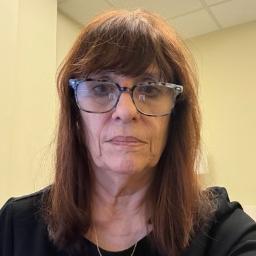
About Loretta
In sessions she creates a calm, respectful space where clients can talk through painful feelings and confusing decisions. Loretta uses clear, evidence-based tools to help people build coping skills, improve relationships, and reduce symptoms that get in the way of daily life. She pays attention to the impact of past losses, attachment history, and life changes on current struggles.
Her work also covers concerns tied to caregiving, chronic illness or pain, addiction, body image, and family-of-origin issues such as abandonment, adoption, and foster care. Conversations often include learning emotion regulation strategies and practical ways to manage stress at home and work.
Clients can expect a collaborative approach that blends listening with action. Loretta draws on client-centered methods alongside cognitive and behavioral tools to shape each plan to the person in the room. Progress usually looks like clearer goals, fewer upsetting reactions, and skills clients can use outside sessions.
With six years of clinical experience, she balances warmth with structure. People who want a steady, problem-solving therapist may find her helpful for navigating life transitions and ongoing mental health concerns.
Areas of expertise
Primary focus
Additional focus areas
Therapeutic approaches
Experience
6+ years
Credentials
New York
Languages
English
How her approaches shape online care
Client-centered therapy focuses on listening and understanding the person's experience. The therapist follows the client's pace and priorities so goals come from what matters most to the client. Cognitive Behavioral Therapy, or CBT, is a practical approach that looks at patterns of thinking and behavior and teaches concrete strategies to reduce anxiety, depression, and unhelpful habits. Dialectical Behavior Therapy, or DBT, teaches emotion regulation, distress tolerance, and interpersonal skills that help when feelings feel overwhelming.Finding the right approach is part of the work. Loretta will talk with each person about their concerns and goals. Together they decide which methods to lean on and how quickly to introduce skills or deeper reflection. This keeps sessions tailored and collaborative rather than one-size-fits-all.
Confirm the current session options before booking so you know what formats are available. Many people appreciate online sessions because they can fit appointments into a busy day, reduce travel time, and make it easier to check in between work or caregiving tasks. Other practical benefits include shorter check-ins when needed and choices about being on camera or not depending on comfort and bandwidth.
Frequently asked questions
What kinds of concerns does Loretta address?
She supports people with stress, anxiety, addictions, self-esteem issues, bipolar disorder, and depression, and also works with related areas like caregiver stress, chronic illness, body image, and attachment concerns.
What is her general therapy style?
Sessions are collaborative and down-to-earth, combining empathetic listening with practical skill-building to help people manage symptoms and daily challenges.
How much clinical experience does she have?
Loretta has six years of clinical experience working with a range of mood and relationship concerns in New York.
What credentials and location should I know about?
She holds an LCSW credential and practices in New York.
Which languages are sessions offered in?
Sessions are offered in English.
Are international clients accepted?
International clients are not currently accepted.
How does payment and cost work?
Cost varies with location and therapist availability; sessions use a subscription that can be canceled at any time.
What are the steps to begin working together?
Start by selecting the Start Therapy button, complete a short matching questionnaire, and then schedule sessions according to the therapist's availability.