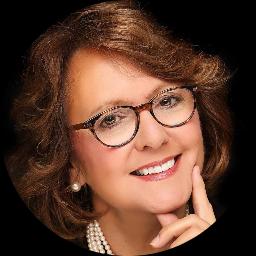
- 35 years experience
- Practical coping strategies
- Focus on life changes
About Lynn
She tailors sessions to each person’s needs rather than using one fixed method. Work often centers on practical steps people can try between meetings. Sessions may also address how symptoms affect daily life and decision making.
Dr. Grattan commonly uses cognitive-behavioral techniques to identify unhelpful thinking and develop new habits. She also draws on client-centered listening to make space for each person’s experience. Problem solving and coping strategies are used to manage immediate difficulties and build resilience.
Her background includes decades in psychology and neuropsychology, which informs how she understands cognitive and behavioral challenges. That experience can be useful when people face issues such as post-concussion symptoms or problems with attention and impulsivity.
People seeking help with aging concerns, caregiver stress, cancer-related adjustment, attachment questions, or forgiveness and guilt may also find relevant support. Dr. Grattan approaches sessions with an emphasis on collaboration, helping people clarify goals and try out practical changes.
Areas of expertise
Primary focus
Also works with
Additional focus areas
Experience
35+ years
Credentials
Maryland
Languages
English
Therapeutic approaches and online options
Dr. Grattan commonly uses cognitive-behavioral techniques to help people notice unhelpful thinking patterns, test new ways of responding, and build practical habits that reduce distress. This approach is often used for anxiety, depression, and trouble with motivation.She also works in a client-centered way, offering empathic listening and support so people can explore their values, goals, and meaning. Problem solving and coping-focused methods are used when immediate steps are needed to manage stress, daily demands, or adjustment after illness or loss.
Choosing the right approach is a shared process. The therapist will talk with each person about their needs, goals, and preferences, and together they will decide which techniques to try. That plan can be adjusted over time as progress and priorities change.
About online sessions: the biography does not specify which session formats are offered, so confirm current options before booking. In general, remote therapy can make it easier to fit appointments into a busy week and reduce travel time. It can also allow shorter check-ins when a quick update is helpful, or simpler phone-based visits when video is difficult. Ask about the available session formats when you schedule so arrangements match your needs.
Frequently asked questions
What kinds of problems does this therapist address?
She helps people dealing with stress, anxiety, depression, grief, self-esteem struggles, ADHD, and coping with life changes. Additional focus areas include aging issues, caregiver stress, body image, cancer adjustment, and related concerns.
What is the therapeutic style like in sessions?
Sessions emphasize collaboration and practical work. Expect listening that centers your experience, cognitive-behavioral exercises, and problem solving tuned to your goals.
How much experience does this provider have?
The therapist has 35 years of experience in psychology and neuropsychology working in Maryland.
What are the therapist's credentials and location?
She is a Psychologist licensed in Maryland and practices from that state.
Which languages are supported for sessions?
Sessions are offered in English.
Can people outside the United States work with this therapist?
International clients are not currently accepted.
How does pricing and scheduling work?
Cost varies with location and therapist availability, and sessions use a subscription that can be canceled at any time.
What are the steps to begin therapy with this therapist?
Start by selecting the Start Therapy button, complete a short matching questionnaire, and then schedule sessions according to the therapist's availability.