- Practical tools
- Collaborative style
- Mindfulness focus
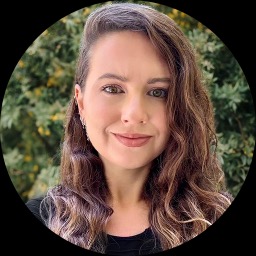
About Macarena
She begins by listening closely to each person's story and goals. Sessions focus on practical steps people can try between meetings. Macarena uses clear, relatable language and works at a pace that fits each person’s comfort level.
Her approach draws on Cognitive Behavioral Therapy, Dialectical Behavior Therapy, and Mindfulness Therapy. These methods are used to identify unhelpful thinking patterns, build emotion regulation skills, and increase awareness of present-moment experience.
Macarena also supports people facing chronic illness or caregiving stress, body image concerns, and feelings of isolation or low self-worth. She pays attention to how day-to-day routines, money worries, and life stage changes affect mental health.
People who prefer collaborative work and concrete tools often find this style helpful. The therapist emphasizes active skill-building, clear goals, and small steps toward change. She encourages people to notice progress, however modest, as part of the process.
Areas of expertise
Primary focus
Also works with
Additional focus areas
Therapeutic approaches
Experience
14+ years
Credentials
California, Maryland
Languages
English
How therapeutic approaches guide online work
Macarena uses Cognitive Behavioral Therapy to help people identify and challenge unhelpful thoughts and try small behavioral changes that can improve mood and daily functioning. CBT often focuses on concrete exercises and goal‑setting to reduce anxiety and low mood.She also draws on Dialectical Behavior Therapy to teach emotion regulation and distress tolerance skills. DBT-style tools can be helpful for managing intense feelings, impulsivity, and relationship stress in everyday life.
Finding the right approach is part of the work. Macarena will talk with each person about their needs, goals, and preferences and together decide which methods to emphasize. That collaborative process helps tailor sessions so they feel relevant and doable.
Confirm current session options before booking so you know which formats are offered. Online therapy can make it easier to fit sessions into a busy week, allow shorter check-ins when needed, and reduce travel time. It can also let people practice skills in the settings where they live and work, then bring observations back to sessions for discussion.
Frequently asked questions
What concerns does she commonly address?
She helps people manage stress, anxiety, depression, relationship and family concerns, self-esteem, parenting strain, and coping with life changes.
What is her therapy style like?
Her style is collaborative and practical, focusing on clear goals and skills people can use between sessions.
How long has she been practicing?
She has 14 years of professional experience working with a range of mood and life concerns.
What credentials and location are listed?
She holds an LPCC in California and an LCPC in Maryland and bases her practice out of California.
Which languages are supported for sessions?
Sessions are offered in English.
Are international clients supported?
She does not accept international clients at this time.
How are costs and subscriptions handled?
Cost varies with location and therapist availability; sessions use a subscription that can be canceled at any time.
How do I begin a therapy match?
Use the Start Therapy button, complete a short matching questionnaire, and schedule according to therapist availability.