- Practical coping strategies
- Depth and insight
- Support for stress
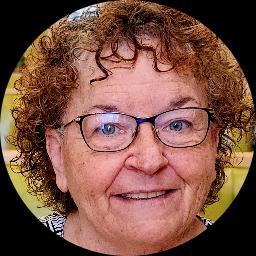
About Mary
Her work is straightforward and person-focused. Sessions begin by listening to what matters most and then finding practical ways to improve day-to-day life. She uses methods that emphasize personal strengths, meaningful insight, and small steps toward change.
Mary draws on client-centered principles to create a respectful, balanced space for talking through difficult feelings. She also brings psychodynamic and Jungian ideas to help people understand patterns that repeat over time. Motivational interviewing and solution-focused techniques are used when people want clear goals and action plans.
Her background includes long experience with mood disorders, caregiver stress, chronic illness and injury, and relationship difficulties. That experience informs how she helps people find better ways to cope and make decisions. Mary pays attention to both immediate needs and longer-term patterns.
People who choose Mary often want practical strategies plus time to reflect on deeper themes. She accepts clients across Iowa and works with international clients as noted. To begin, readers should confirm current session options before booking.
Areas of expertise
Also works with
Additional focus areas
Therapeutic approaches
Experience
30+ years
Credentials
Iowa
Languages
English
Therapeutic approaches and how they work online
Mary often blends client-centered work with psychodynamic and solution-focused approaches. Client-centered therapy focuses on listening with empathy and helping people voice what matters most; it can help with anxiety, depression, and grief. Psychodynamic ideas look at recurring patterns and how past experiences shape current reactions, which can be useful for long-term change and understanding relationship problems. Solution-focused techniques zero in on practical goals and small steps, making them helpful when someone wants clear actions to try between sessions.Choosing the right approach is part of the process. The therapist will work collaboratively to match methods to a person's needs, goals, and preferences. That may mean trying a short-term, goal-driven plan or spending more time on deeper exploration depending on what the person wants.
The biography does not specify which online session formats are used, so confirm available options before booking. In general, online therapy can make it easier to fit sessions into daily life, avoid travel, schedule brief check-ins during a busy day, or reduce time away from work or caregiving. It also allows therapists to use a mix of talking, reflective exercises, and goal tracking to support progress over time.
Frequently asked questions
What concerns does Mary commonly help with?
She helps people manage stress, anxiety, depression, grief, trauma, addictions, ADHD, and compassion fatigue among other issues.
What is her general therapeutic style?
Mary uses a person-centered, collaborative approach that balances insight with practical steps and goal-focused work.
How much clinical experience does she have?
She brings 30 years of hands-on clinical experience working with a wide range of emotional and behavioral concerns.
What credentials and region are listed for this therapist?
Mary is an LMHC - Licensed Mental Health Counselor - practicing in Iowa.
Which languages are sessions offered in?
Sessions are offered in English and international clients are accepted as noted.
What session formats are available?
The original biography does not list specific session formats, so please confirm current session options before booking.
How are fees and billing handled?
Cost varies with location and therapist availability; sessions use a subscription that can be canceled at any time.
How do I get started with therapy?
Select the Start Therapy button, complete a short matching questionnaire, and schedule according to therapist availability.