- Warm collaborative care
- Practical coping tools
- Values focused work
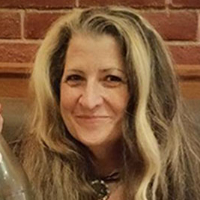
About Mary
Her style is person-centered and pragmatic. Sessions aim to be collaborative - the client and Mary set goals together and try small experiments between meetings. She draws on cognitive-behavioral ideas to change unhelpful thinking and on client-centered listening to make space for the person's experience.
Mary also uses elements from Acceptance and Commitment Therapy and Jungian-inspired work to help people connect with values and meaning. That can be useful for coping with existential questions, grief, or life transitions. She emphasizes practical tools as well as deeper reflection when clients want that.
Over a decade as a licensed mental health counselor in Florida has shaped her focus on realistic coping skills. Mary helps people facing addiction, compassion fatigue, caregiver stress, and challenges related to gender and sexuality without relying on labels. She aims to empower clients to try manageable changes and notice what works.
Her sessions tend to be straightforward and supportive. People who prefer direct feedback mixed with empathic listening may find this style helpful. To begin, a short matching questionnaire and scheduling step are used to connect a person with Mary.
Areas of expertise
Primary focus
Also works with
Additional focus areas
Therapeutic approaches
Experience
10+ years
Credentials
Florida
Languages
English
How therapy approaches shape online care
Acceptance and Commitment Therapy (ACT) focuses on helping people notice what matters most and take small committed steps toward those values. It can help with anxiety, depression, chronic stress, and coping with major life changes. Cognitive Behavioral Therapy (CBT) looks at patterns of thought and behavior to find practical ways to reduce symptoms and try new habits. It is often used for anxiety, sleeping problems, and mood concerns. Client-Centered Therapy centers the person's own experience; the therapist listens closely and follows the client's lead to build trust and clarity.Finding the right approach is part of the work together. Mary will discuss options and adjust methods based on the person's goals, needs, and preferences. That collaborative process helps shape sessions so they feel useful rather than one-size-fits-all.
Confirm current session formats before booking so you know how appointments are offered. Many people find online sessions make it easier to fit therapy into daily life, such as taking a shorter check-in during a work break or avoiding travel time. Online work can also allow a mix of reflective exercises and practical homework that fit into a person's routine. Licensed professionals can help tailor the session rhythm and focus to what fits in the client's schedule and day-to-day responsibilities.
Frequently asked questions
What concerns does Mary address in therapy?
She supports adults with stress, anxiety, depression, addiction, grief, trauma, relationship and family issues, and concerns like self-esteem, sleeping, and career strain.
What is her therapeutic style like?
Her style is warm and person-centered while remaining pragmatic. Sessions combine empathetic listening with concrete strategies and collaborative goal setting.
How much clinical experience does she have?
She has ten years of experience working as a mental health counselor with adults on matters such as recovery, trauma, and life transitions.
What credentials and location are listed?
She holds the LMHC credential and practices in Florida as a Florida LMHC.
Which languages are sessions offered in?
Sessions are offered in English.
Can international clients work with her?
International clients are not currently accepted.
How does pricing work for sessions?
Cost varies with location and therapist availability; sessions use a subscription that can be canceled at any time.
What are the steps to begin working together?
Select the Start Therapy button, complete a short matching questionnaire, and schedule according to the therapist's availability.