- Person centred approach
- Integrative methods
- BACP member
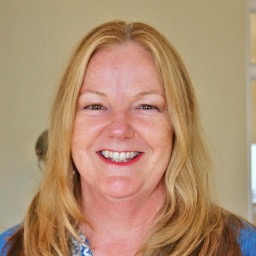
About Michelle
Michelle draws on person-centred and humanistic ideas while using an integrative approach. She notices both what is happening in a person's life and how it affects them physically and emotionally. That can include looking at patterns tied to attachment, loss, or long-term health concerns. Work can involve thinking about behaviour, feelings, and the stories people tell themselves.
Her background includes experience with Gestalt practice, plus elements from yoga and shamanic-informed work that she brings in when appropriate. Michelle is a member of the British Association for Counselling & Psychotherapy, BACP. She has practised for six years and frames therapy as a collaborative process.
In sessions she helps people identify blocks to change and plan manageable steps. This can cover grief, addiction, sleep and eating struggles, caregiver stress, chronic pain or illness, body image and many parenting or career worries. The focus is on practical movement towards clearer choices.
Michelle encourages people to take the first step when they feel ready. She offers a steady presence, support and gentle challenge to help someone move toward a more fulfilling life.
Areas of expertise
Primary focus
Also works with
Additional focus areas
Therapeutic approaches
Experience
6+ years
Credentials
BACP · United Kingdom
Languages
English
How Michelle's approaches can work online
Michelle draws on attachment-based ideas and client-centred work to help people understand relationship patterns and feel heard. Attachment-based work looks at how early bonds affect current relationships and reactions, which can help with attachment issues, abandonment worries or communication problems. Client-centred therapy focuses on the person's experience and aims to create a supportive space where they can explore thoughts and feelings at their own pace.She also uses cognitive behavioural ideas to identify unhelpful thoughts and test small changes in behaviour. CBT-style work can be useful for anxiety, sleep problems and low mood because it breaks down patterns into steps the person can try between sessions. Deciding which of these approaches to use is collaborative; the therapist and client will work together to find the best fit based on needs and preferences.
If you are considering online therapy, confirm the exact session formats before booking as current options are not specified here. Online work can make it easier to fit sessions around work and family life, reduce travel time and allow shorter check-ins when needed. It can also let people use phone rather than video if that feels more comfortable or requires less bandwidth. Registered or accredited professionals can adapt exercises and reflections to suit online appointments so progress can continue even when meeting remotely.
Frequently asked questions
What kinds of problems does she work with?
She supports people with stress, anxiety, relationship difficulties, grief and coping with life changes, among other concerns.
How would you describe her therapeutic style?
Sessions are warm and interactive, largely person centred, with practical conversations about what is blocking change.
What experience does she bring?
Michelle has six years of practice and uses an integrative approach informed by person centred and humanistic ideas.
What professional credential does she hold and where is she based?
She is a member of the British Association for Counselling & Psychotherapy, BACP, and works in the United Kingdom.
Can I have sessions in another language?
Sessions are offered in English.
Does she work with international clients?
She is not currently accepting international clients.
How are sessions paid for and what do they cost?
Cost varies with location and therapist availability and sessions use a subscription that can be cancelled at any time.
How do I begin working with her?
Use the Start Therapy button, complete a short matching questionnaire, and schedule according to the therapist's availability.