- Person-centered care
- Focus on resilience
- LGBTQ+ affirming
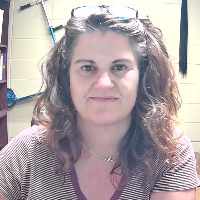
About Misha
Her work often centers on practical skills for everyday life. She helps people build self-esteem, improve communication, and strengthen social connections. Sessions also address grief, trauma and abuse, addiction, and challenges like ADHD or bipolar symptoms when those come up.
Misha uses a person-centered outlook that pays attention to each client’s history and culture. She draws on attachment-based ideas to look at relationship patterns, and cognitive behavioral techniques to change unhelpful thoughts and behaviors. Trauma-focused strategies are used when past events are contributing to present distress.
In the room she emphasizes collaboration and clear goals. She listens for each person’s strengths and works together to set small, practical steps clients can try between sessions. That may include communication exercises, coping plans, or ways to manage anger and overwhelm.
Misha also supports people facing caregiving stress, body image concerns, and issues tied to adoption, aging, or neurodiversity. To begin, clients complete a short matching questionnaire and schedule a time that fits their routine.
Areas of expertise
Primary focus
Also works with
Additional focus areas
Therapeutic approaches
Experience
22+ years
Credentials
Alabama
Languages
English
How Misha’s approaches translate to online work
Misha uses attachment-based and client-centered methods alongside cognitive behavioral techniques. Attachment-based work looks at how past and current relationships shape feelings and reactions, which can help with intimacy, trust, and patterns that repeat in relationships. Client-centered work focuses on listening and responding to each person’s priorities so goals come from the client rather than a checklist. Cognitive behavioral approaches target the connection between thoughts, feelings, and actions to reduce anxiety, manage mood, and change unhelpful habits.Deciding which approach to use is a shared process. Misha will work with the client to identify goals, try methods that fit those goals, and adjust the plan over time. This collaborative stance means the focus can shift as needs change during therapy.
Because the biography does not list specific session formats, confirm available options before booking. Online work can make it easier to fit therapy into a busy week, shorten routine check-ins, or choose sessions that don’t require being on camera. It also lets people try techniques in real-time where they live, then discuss what did or didn’t work at the next meeting. Licensed professionals can tailor pacing and homework to fit daily routines and responsibilities.
Frequently asked questions
What kinds of concerns does Misha address?
She works with stress, anxiety, depression, relationship issues, grief, trauma and abuse, addiction, and many life transitions. Additional focuses include ADHD, caregiver stress, body image, and concerns related to adoption and aging.
What is her therapeutic style like?
Misha uses a person-centered approach that emphasizes listening and collaboration. She sets practical goals and offers concrete skills to try between sessions.
What experience does she bring?
She has 22 years of experience working with individuals through complex emotional challenges and life changes. That background guides her practical, steady approach.
What credentials and where is she located?
She holds the LPC credential and practices in Alabama.
Are sessions offered in other languages or internationally?
Sessions are offered in English. She is not accepting international clients at this time.
What session formats are offered?
The original biography did not specify session formats. Please confirm the current session options before booking.
How does pricing work?
Cost varies with location and therapist availability, and sessions use a subscription that can be canceled at any time.
How do I get started?
Select the Start Therapy button, complete a short matching questionnaire, and schedule according to therapist availability.