- Mindfulness-based care
- Client-centered style
- Practical skill building
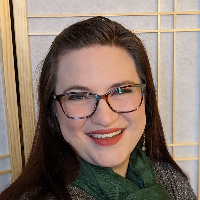
About Rebecca
She has worked with people who have complex trauma histories, including childhood attachment wounds and intergenerational trauma. She also has experience addressing mood concerns like anxiety, depression, and bipolar disorder, along with related personality challenges. Sessions tend to center on building steady skills and clearer patterns for daily life.
Rebecca draws on mindfulness-based counseling and client-centered principles to help people notice their thoughts and feelings without judgment. She also uses cognitive behavioral ideas to identify unhelpful patterns and solution-focused strategies to set small, achievable goals. Treatment emphasizes practical tools, moment-to-moment awareness, and steady self-compassion.
Her background includes eight years in clinical settings in New York, working with people from a range of cultural backgrounds and age groups. Rebecca explains concepts plainly and keeps sessions focused on what someone can do between meetings. She aims to make therapy usable for everyday life.
People looking for support with stress, addiction-related struggles, trauma, mood disorders, ADHD, grief, relationship and communication problems, chronic illness, or caregiver strain may find her approach familiar. She encourages collaboration and clear goal-setting as part of the process.
Areas of expertise
Primary focus
Also works with
Additional focus areas
Therapeutic approaches
Experience
8+ years
Credentials
New York
Languages
English
How her approaches translate to online care
Rebecca integrates client-centered work and mindfulness-based counseling to help people notice feelings and move through them with less self-judgment. Client-centered work focuses on listening, empathy, and following the person's priorities so the conversation stays relevant to daily life. Mindfulness-based counseling teaches simple awareness practices that can reduce reactivity and help with stress, sleep, and mood.She also uses cognitive behavioral ideas to spot thought and behavior patterns that keep problems stuck, and then tests small changes to see what helps. Those techniques are useful for anxiety, depression, sleep issues, and many stress-related problems. Deciding which approaches to use is collaborative; the therapist and client work together to pick methods that fit the person's goals, preferences, and pace.
Confirm the current session options before booking, since formats are specified by the therapist's practice. Online therapy can make it easier to fit appointments into a busy schedule, reduce travel time, and allow check-ins from a familiar setting. It can also let sessions be shorter or easier to attend when energy is limited. The therapist will discuss practical scheduling and format choices so sessions align with everyday life and treatment goals.
Frequently asked questions
What concerns does Rebecca commonly address?
Rebecca works with issues such as stress, anxiety, addictions, trauma and abuse, anger, coping with life changes, LGBT concerns, relationship and family-related worries, grief, sleeping problems, self-esteem, bipolar disorder, depression, compassion fatigue, and ADHD.
How would you describe her therapy style?
Her approach is warm, empathetic, and sometimes playful. Sessions emphasize mindfulness, self-compassion, practical tools, and clear goal-setting.
What kind of clinical background does she have?
She has eight years of clinical experience working largely with people affected by substance use and with histories of complex trauma, attachment issues, and mood disorders.
Where is she licensed and located?
Rebecca is a Licensed Mental Health Counselor (LMHC) in New York and practices out of New York.
Which languages are sessions offered in?
Sessions are offered in English.
Can international clients work with her?
She is not currently accepting international clients.
How are session fees handled?
Cost varies with location and therapist availability; sessions use a subscription that can be canceled at any time.
What are the steps to begin therapy?
Use the Start Therapy button, complete a short matching questionnaire, and schedule according to therapist availability.