- Evidence-based care
- Focus on coping skills
- Helps with grief
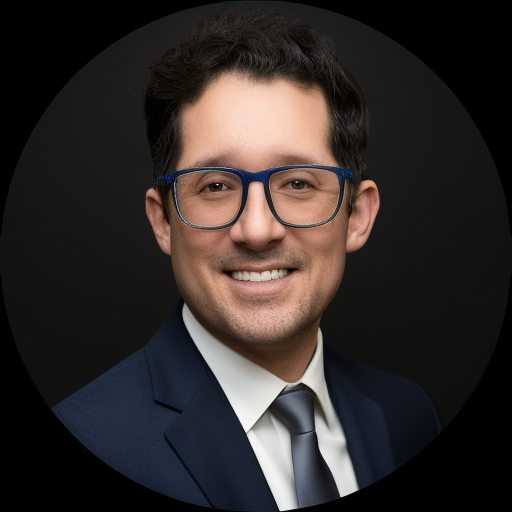
About Robert
Robert uses practical, evidence-based therapeutic techniques to help people build skills and understanding. Sessions focus on clear goals such as managing anxiety, improving sleep, reducing overwhelm, or handling grief. He emphasizes small, manageable steps so progress feels realistic and steady.
He brings six years of experience to his counseling work and has supported people through life transitions, workplace stress, caregiving strain, and chronic illness. That background informs how he tailors interventions to daily life and real-world limits like time and energy.
Robert pays attention to the whole person, including relationships, identity, and behavior patterns that keep problems going. He listens for patterns such as attachment issues, abandonment concerns, or struggles with body image and codependency, and then helps people practice different ways of responding.
People working with chronic health conditions, cancer, chronic pain, or caregiving responsibilities can explore how emotional and practical strains interact. The goal is to build tools that fit each person’s life and values, with options adjusted as needs change.
Areas of expertise
Primary focus
Additional focus areas
Experience
6+ years
Credentials
Florida
Languages
English
How evidence-based methods translate to online care
Robert draws on evidence-based therapeutic techniques that focus on skills and practical change. One common approach emphasizes skill building for managing anxiety and stress through breath work, behavioral experiments, and step-by-step exposure to feared situations. Another approach centers on processing loss and grief with focused conversations about memories, meaning, and small rituals to mark change. These methods help people manage symptoms and build routines that support daily functioning.Choosing the right approach is a collaborative process. The therapist will talk with each person about their goals, preferences, and what has or hasn’t worked before. Together they’ll pick techniques and adjust them over time so therapy fits the client’s life and values.
The original biography does not list which session formats are offered, so confirm current options before booking. In general, online work can make it easier to fit sessions into busy schedules, reduce travel time, and allow shorter check-ins when that is helpful. It can also let people continue care through periods of illness or caregiving by offering more flexible timing and fewer logistical barriers.
Frequently asked questions
What concerns does this therapist address?
He helps people with stress, anxiety, depression, grief, anger, and ADHD. He also works with issues such as caregiving stress, chronic illness, body image, and codependency.
What is his therapeutic style?
He uses practical, evidence-based techniques and focuses on skill building. Sessions emphasize clear goals and small, manageable steps.
How much clinical experience does he have?
He has six years of experience working with adults facing life transitions, workplace stress, trauma, and long-term health challenges.
What credentials and location apply?
He is a Licensed Mental Health Counselor - LMHC - practicing in Florida.
In which language are sessions offered?
Sessions are offered in English.
Which session formats are available?
The original biography does not list specific session formats. Please confirm current session options before booking.
How does cost and billing work?
Cost varies with location and therapist availability; sessions use a subscription that can be canceled at any time.
What steps are needed to begin therapy?
Use the Start Therapy button, complete a short matching questionnaire, and schedule according to therapist availability.