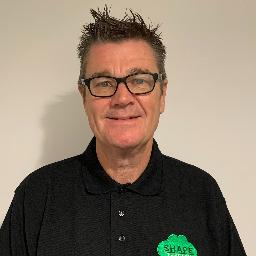
- Empathic listener
- Down-to-earth approach
- Practical tools
About Robert
Robert uses a person-centred outlook that puts the client's experience first. Sessions focus on what matters to the individual and on making sense of emotions. He combines this with practical tools from cognitive behavioural therapy to spot patterns of thinking that cause distress. Motivational interviewing is used when someone wants help changing habits, such as with substance use or other repeating behaviours.
He draws on personal experience of recovery from addiction and depression to inform a compassionate, non-judgemental stance. That background shapes how he listens and how he stays grounded in the realities people face. The tone is down-to-earth rather than clinical, with an emphasis on small, manageable steps.
Typical topics include grief, relationship and intimacy issues, parenting strain, chronic pain or illness, career worries and questions about life purpose. He also supports people working through attachment, abandonment and self-esteem concerns. Therapy aims to make daily life easier, not to label or diagnose.
Before booking, readers should confirm current session options and practical details. Starting involves a short matching questionnaire and scheduling to fit the person's needs and availability.
Areas of expertise
Primary focus
Also works with
Additional focus areas
Therapeutic approaches
Experience
5+ years
Credentials
BACP · United Kingdom
Languages
English
How his approaches translate to online counselling
Robert combines person-centred work with cognitive behavioural techniques and motivational interviewing. Person-centred work means the session starts from the client’s experience, with the counsellor listening and reflecting to help people understand their feelings. Cognitive behavioural therapy (CBT) offers simple, practical techniques to identify thought patterns and try different behaviours to reduce distress. Motivational interviewing helps when someone wants to change a habit by exploring ambivalence and drawing out their own reasons for change.Finding the right approach is part of the process. The therapist and client work together to choose what feels most helpful based on the person’s goals, needs and preferences. That collaborative attitude means plans can change as progress is made.
The original biography does not specify which online session formats are used, so please confirm current options before booking. Many people find remote sessions make fitting therapy into a busy week easier, for example by avoiding travel or allowing shorter check-ins during a lunch break. Online work can also allow steady follow-up between face-to-face appointments when needed. Ask about practical arrangements and what will best suit everyday routines.
Frequently asked questions
What concerns does Robert commonly help with?
He supports people with stress, anxiety, depression, addictions and coping with life changes, alongside relationship and intimacy issues.
How would you describe his therapeutic style?
He works in a person-centred, empathic way and combines practical thinking tools to help people spot unhelpful patterns.
What experience does he bring to sessions?
He has five years of professional experience and personal experience of recovery from addiction and depression, which informs his approach.
What are his credentials and location?
He is registered with the BACP and is based in the United Kingdom.
Which languages and international arrangements are available?
Sessions are offered in English and he accepts international clients.
What session formats are offered?
The original profile does not list specific session formats, so please confirm current options with the service before booking.
How does payment and cost work?
Cost varies with location and therapist availability; sessions use a subscription that can be cancelled at any time.
How do I begin working with him?
Select the Start Therapy button, complete a short matching questionnaire, and schedule sessions according to therapist availability.