- Direct and compassionate
- Focus on real skills
- Works with trauma
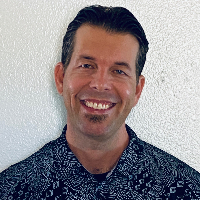
About Sean
Sean draws on a range of well-known methods such as cognitive behavioral strategies, acceptance and commitment ideas, and client-centered listening. Sessions focus on what matters most to the person in front of him, whether that is managing mood, coping with chronic illness or pain, or handling challenges at work and in relationships. He uses exercises, real-world tools, and focused conversation to build coping skills and clearer choices.
His background includes service in the US Navy and time as a firefighter-paramedic, followed by a Bachelor of Arts in psychology from Arizona State University and a Master of Counseling Psychology from Chaminade University of Honolulu. That mix of life and clinical experience informs how he talks through practical problems and keeps the work grounded.
Sean has provided inpatient care for adolescents and social work with veterans, and he has been offering psychotherapy online for several years. He accepts international clients and works from Arizona licensure when noted. People who want direct, steady guidance for anxiety, trauma-related concerns, addiction, or coping with illness often find his style helpful.
He aims to make therapy understandable and usable. Clients can expect clear goals, straightforward homework when useful, and conversations aimed at everyday improvement rather than jargon.
Areas of expertise
Primary focus
Also works with
Additional focus areas
Therapeutic approaches
Experience
10+ years
Credentials
Hawaii, Arizona
Languages
English
How these approaches are used in online therapy
Acceptance and Commitment Therapy, or ACT, helps people notice unhelpful thoughts and still move toward meaningful actions. It is often used for anxiety, chronic illness, and situations that leave people feeling stuck. Cognitive Behavioral Therapy, or CBT, focuses on identifying and changing thought and behavior patterns that keep problems like depression or insomnia going. It uses practical exercises and homework to shift day-to-day habits.Finding the right approach is part of the work. He will collaborate with each person to pick methods that match their goals and preferences. That means trying different tools and adjusting plans so sessions feel relevant and useful.
Online therapy can make it easier to fit counseling into a busy life. People who travel, live far from a clinic, or have limited time may find it simpler to schedule sessions. If you need specific session formats, confirm the available options before booking so you know how sessions are delivered. The focus is on making therapy practical and attainable while using evidence-informed methods to address stress, trauma, relationship concerns, or coping with chronic health issues.
Frequently asked questions
What kinds of problems does this therapist address?
He helps people with stress, anxiety, depression, relationship problems, trauma and abuse, grief, addictions, and challenges like chronic pain, illness, or cancer.
How would you describe the therapeutic style?
The approach is practical and client-centered, combining talk with concrete exercises from cognitive behavioral and acceptance-based methods.
What is his clinical background?
He has ten years of experience, including inpatient adolescent work and social work with veterans, plus several years providing online psychotherapy.
Which credentials and region are listed?
Credentials shown are LPC and LMHC, with licensure noted in Arizona and Hawaii and practice linked to Arizona for this profile.
In which language are sessions provided?
Sessions are offered in English and he also accepts international clients.
What session formats are available?
Session formats are not specified here; please confirm current session options before booking so you know which formats are offered.
How much do sessions cost?
Cost varies with location and therapist availability, and sessions use a subscription that can be canceled at any time.
How do I begin working with him?
Select the Start Therapy button, complete the short matching questionnaire, and then schedule according to therapist availability.