- Somatic approaches
- Trauma focus
- Expressive tools
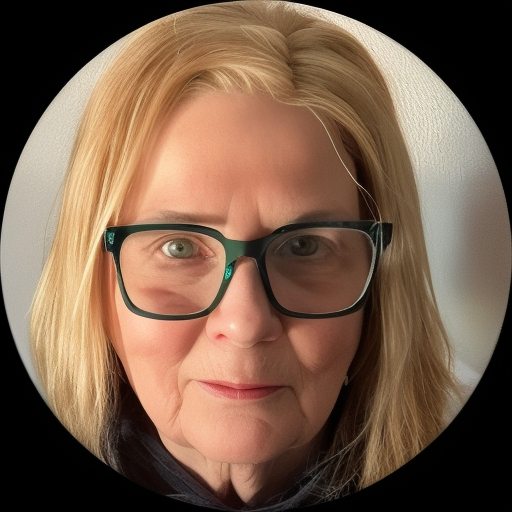
About Shirley
She trained in psychology and social work at Wayne State University and has worked in schools, hospice, foster care and adoption services, pregnancy programs, and with caregivers and people with disabilities. That breadth of settings shaped a flexible approach that blends talk therapy with body-centered techniques.
Shirley combines trauma-focused methods with somatic practices. She also uses Eye Movement Desensitization and Reprocessing, Narrative Therapy, and expressive arts when helpful. These methods are used to reduce distress from traumatic memories, reframe personal stories, and engage the body in healing.
Her background also includes a 1,000-hour massage therapy program and national certification in massage and bodywork, which inform her somatic perspective. She sometimes brings sound, movement, clay, or other expressive tools into sessions when they fit a person’s needs and comfort level.
With 35 years of experience, Shirley aims to meet people where they are. She focuses on practical steps - breathing, movement, narrative work, and trauma processing - that people can use between sessions. Her work is collaborative and paced to the individual’s goals and energy.
Areas of expertise
Primary focus
Also works with
Additional focus areas
Therapeutic approaches
Experience
35+ years
Credentials
Colorado
Languages
English
How EMDR, Narrative and Trauma-Focused Work Translate Online
EMDR helps people process painful memories by guiding attention while they recall distressing events; it can reduce the intensity of traumatic memories and related symptoms. Narrative Therapy focuses on the stories people tell themselves, helping separate a person from their problems and open space for new meaning. Trauma-Focused Therapy targets the effects of traumatic experiences with techniques that can include grounding, memory work, and movement to reduce reactivity.Choosing an approach is a collaborative process. The therapist will talk with the client about their goals, symptoms, and preferences and then suggest which methods to try. Clients and the therapist can adjust the plan over time based on what is most helpful.
The biography does not list specific online session formats, so confirm available options before booking. In general, remote work can make it easier to fit therapy into a busy week, reduce travel time, and allow use of expressive tools during a session when appropriate. Some techniques translate well to a remote visit while others may be introduced gradually depending on how the person is responding. Licensed professionals can help tailor session length, pacing, and exercises so therapy fits daily life without asking for major schedule changes.
Frequently asked questions
What concerns does Shirley address?
She addresses relationship and family stress, trauma and abuse, grief, ADHD, anxiety, depression, caregiving strain, chronic illness and related life changes.
What is her general therapy style?
Her style is practical and down-to-earth, combining talk therapy with body-centered practices and expressive arts to help people feel steadier between sessions.
How long has she been practicing?
She has 35 years of clinical experience working in health care, hospice, schools, foster care and adoption, and caregiver support settings.
What credentials and region should I know about?
She holds LCSW and CSW credentials and practices in Colorado as a licensed clinical social worker.
Which languages are sessions offered in?
Sessions are offered in English.
What session formats are available?
The original biography does not list specific session formats, so please confirm current session options before booking.
How are fees and payment handled?
Cost varies with location and therapist availability, and sessions use a subscription that can be canceled at any time.
How do I begin working with her?
Click the Start Therapy button, complete a short matching questionnaire, and schedule according to therapist availability.