- Trauma-informed care
- Practical skills
- Client-centered style
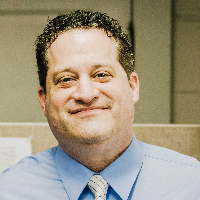
About Shlomo
He brings about 12 years of clinical experience in community and addiction treatment settings. That background includes work with co-occurring disorders and trauma-focused care. He has worked with people dealing with substance misuse, complicated grief, and long-term effects of traumatic events.
His approach is grounded in straightforward, compassionate listening. He aims to make sessions feel approachable and to build trust so people can speak openly. He draws on practical methods and evidence-informed techniques to address symptoms and daily problems.
Common methods he uses include client-centered work that follows the person’s pace, cognitive behavioral techniques to change patterns of thinking and behavior, dialectical behavior strategies for managing emotion, mindfulness practices to build present-moment focus, and eye movement desensitization and reprocessing for trauma processing. These approaches are blended to match each person’s goals.
Shlomo emphasizes a respectful therapeutic relationship and a focus on realistic steps people can use between sessions. He works in English from Florida and is not taking international clients. To begin, readers can follow the site’s Start Therapy flow to complete a brief matching questionnaire and schedule sessions.
Areas of expertise
Primary focus
Also works with
Additional focus areas
Therapeutic approaches
Experience
12+ years
Credentials
Florida, Texas
Languages
English
How these approaches translate to online work
Client-Centered Therapy focuses on listening and following the person's pace. Online sessions can still offer an open, nonjudgmental space where the therapist reflects concerns and supports people in finding their own solutions. Cognitive Behavioral Therapy (CBT) uses clear steps to identify unhelpful thoughts and change behaviors. In online visits this often means setting brief exercises, tracking patterns between meetings, and reviewing results together. Eye Movement Desensitization and Reprocessing (EMDR) is a trauma-focused method that helps process painful memories; when used remotely it emphasizes careful preparation, pacing, and collaborative planning about how to proceed.Choosing the right approach is part of the work. The therapist will talk with each person about their goals, needs, and preferences, then recommend one or a blend of approaches. That decision is collaborative and can be revised as therapy progresses.
Session logistics vary by therapist and location, so confirm the current options before booking. Online therapy can make it easier to fit sessions into a busy week, reduce travel time, and allow for shorter check-ins when needed. It can also let people continue work while accessing specialized methods like CBT or EMDR without changing where they live. Licensed professionals can explain which techniques translate well to remote sessions during the initial scheduling step.
Frequently asked questions
What types of concerns does he address?
He supports people with stress, anxiety, depression, addictions, trauma and related issues like grief, intimacy, eating and sleeping problems, parenting stress, and career difficulties.
How would you describe his therapeutic style?
He uses a compassionate, easy-to-talk-to approach that emphasizes listening and building trust while teaching practical skills people can use between sessions.
What kind of experience does he bring?
He has about 12 years of experience working in community treatment, addiction programs, and trauma settings, including care for co-occurring disorders.
What are his credentials and location?
He is a Licensed Marriage and Family Therapist (LMFT) licensed in Texas and Florida and practices out of Florida.
Which languages are supported for sessions?
Sessions are offered in English.
Does he work with international clients?
He does not accept international clients at this time.
How are sessions scheduled and what does it cost?
Cost varies with location and therapist availability; sessions use a subscription that can be canceled at any time according to the site policy.
What should I do to start therapy?
Use the Start Therapy button, complete the short matching questionnaire, and then schedule based on the therapist's availability.