- Client-centered
- Goal focused
- Practical tools
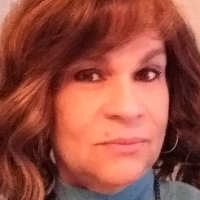
About Suzanne
She uses straightforward, practical methods in sessions. Suzanne prioritizes listening and helps people set clear, achievable goals. She often brings in cognitive behavioral strategies to change unhelpful thinking and motivational interviewing to support readiness for change.
Suzanne has long experience with addiction-related care, including individual and group counseling and work with patients receiving medication assisted therapy. She has also supported people referred through courts and those who needed inpatient care before moving to outpatient services. This background can help when navigating complex care needs.
People come to her for anxiety, depression, bipolar challenges, grief, trauma, and relationship problems. She also helps with stress, self-esteem, sleeping problems, anger, career strain, compassion fatigue, and ADHD concerns. Additional focuses include chronic pain and illness, blended family issues, body image, and communication problems.
Her sessions tend to be collaborative and goal-focused. Suzanne prefers video so she can read nonverbal cues, but she notes other contact options may be possible. Prospective clients should confirm current session options when they schedule.
Areas of expertise
Primary focus
Also works with
Additional focus areas
Therapeutic approaches
Experience
18+ years
Credentials
North Carolina
Languages
English
How her approaches shape online work
Suzanne commonly uses client-centered work, cognitive behavioral techniques, and motivational interviewing in sessions. Client-centered work means she focuses on listening closely and building a trusting working relationship so people can explore what matters to them. Cognitive behavioral techniques look at how thoughts and actions connect and teach practical steps to change patterns that cause distress. Motivational interviewing helps people clarify their own reasons for change and build momentum toward personal goals.Finding the right approach is part of early sessions. Suzanne will talk with each person about their needs, goals, and what feels most helpful. Together they decide which methods to try and adjust the plan as progress is made or new concerns come up.
If you are considering online therapy, confirm the specific session options when scheduling. Suzanne has said she finds video helpful for getting to know people, but other contact methods may be available; check current choices before booking. Online work can make it easier to fit therapy into a busy week, reduce travel time, allow shorter check-ins when needed, and let people join from different locations while keeping appointments consistent.
Frequently asked questions
What kinds of concerns does she help with?
Suzanne works with a wide range of issues including stress, anxiety, depression, bipolar disorder, substance use concerns, grief, trauma, and relationship problems.
What is her therapy style like?
She uses a collaborative, practical style that focuses on listening, goal setting, and skills people can use between sessions.
What is her professional background?
She has 18 years of clinical experience across outpatient, community-based, and addiction treatment settings, including work with medication assisted therapy programs.
Where is she licensed and practicing?
Suzanne holds an LCMHC license in North Carolina and practices there.
Which languages are supported for sessions?
Sessions are offered in English.
Can international clients work together with her?
She does not accept international clients at this time.
How are sessions paid for and what is the cost?
Cost varies with location and therapist availability; sessions use a subscription that can be canceled at any time.
How do I start a session with her?
Use the Start Therapy button, complete a short matching questionnaire, and schedule according to the therapist's availability.