- Focus on skills
- Mindfulness based
- Goal oriented
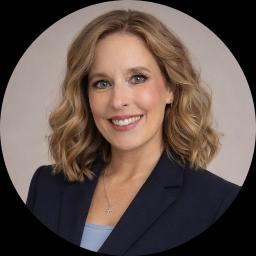
About Tracie
She draws on Cognitive Behavioral Therapy, Dialectical Behavior Therapy, and mindfulness techniques to help people notice unhelpful thoughts and build better emotion regulation skills. Sessions focus on practical strategies like coping skills, communication practice, and routine changes that make daily life easier.
Tracie writes treatment plans that fit each person’s needs and goals. She values a respectful, nonjudgmental connection and encourages clients to challenge negative self-talk and rediscover strengths. Conversations are direct but empathic, and work often includes skill practice between sessions.
Her background includes practice in multiple U.S. states and settings, and she brings nine years of varied clinical experience to sessions in Iowa. Tracie uses plain language to explain options and helps people break big problems into manageable steps.
If someone is dealing with relationship strain, chronic illness, parenting stress, or issues like addiction and ADHD, she offers steady support and clear tools. Prospective clients are invited to review options and complete the initial matching process to begin scheduling.
Areas of expertise
Primary focus
Also works with
Additional focus areas
Therapeutic approaches
Experience
9+ years
Credentials
Alaska, Iowa
Languages
English
How therapeutic approaches shape online care
Client-Centered Therapy focuses on listening and meeting each person where they are. It emphasizes respect, validation, and working at the client’s pace to uncover goals and strengths. Cognitive Behavioral Therapy (CBT) breaks problems into thoughts, feelings, and behaviors, then uses practical exercises to shift unhelpful patterns and reduce symptoms. Dialectical Behavior Therapy (DBT) teaches emotion regulation, distress tolerance, and interpersonal skills for intense emotions and relationship challenges.Choosing the right approach is part of the work together. The therapist will review symptoms, goals, and preferences and suggest methods that fit. That decision is collaborative and may change as progress is made or needs shift.
Please confirm the online session formats offered before booking, since specific formats were not listed in the biography. Online work can make it easier to fit sessions into a busy schedule, support consistent check-ins, and allow skill practice between meetings. Phone sessions tend to use less bandwidth and can be a shorter check-in, while video sessions allow face-to-face interaction for practicing communication and emotion-focused exercises. Licensed professionals typically adapt homework, worksheets, and mindfulness exercises to an online setting to keep therapy practical and relevant.
Frequently asked questions
What concerns does Tracie commonly address?
She works with adults around stress, anxiety, depression, addictions, grief, trauma, and related concerns such as ADHD, parenting stress, and chronic pain and illness.
What is her general therapy style like?
Her style is warm, genuine, and respectful. Sessions emphasize practical skills, clear explanations, and collaborative goal setting.
How much clinical experience does she have?
She has nine years of experience working in varied clinical settings across multiple states before practicing in Iowa.
What credentials and region are listed for this therapist?
She holds LPC and LMHC credentials and is based in Iowa.
Are sessions offered in other languages or internationally?
Sessions are offered in English. International clients are not currently accepted.
What session formats are available?
Please confirm current session options before booking, as the biography does not list specific formats used for sessions.
How is cost handled for sessions?
Cost varies with location and therapist availability; sessions use a subscription model that can be canceled at any time.
What are the first steps to begin working together?
Use the Start Therapy button, complete the short matching questionnaire, and then schedule according to the therapist's availability.