- Psychodynamic focus
- Mindfulness tools
- Trauma-informed care
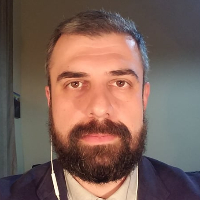
About Vakhtang
He uses psychodynamic psychotherapy as a main approach to help people understand their feelings and patterns. That work focuses on early life experiences, recurring relationship themes, and the feelings that show up in daily life. He also draws on mindfulness techniques to help with anxiety and grounding, and trauma-focused methods when past hurt needs careful attention.
Sessions are practical and aimed at skills people can use between meetings. Vakhtang offers strategies to reduce anxiety, manage panic, and improve sleep and coping. He encourages learning simple tools and practicing them in everyday situations.
His style balances exploring deeper life patterns with concrete steps for daily problems. Conversations aim to increase self-awareness and lead to moments of insight about choices and behavior. He emphasizes meaning, values, and a way forward when life feels chaotic.
To begin work, people follow the site's Start Therapy flow and schedule according to availability. Vakhtang reads messages regularly and takes a joint, exploratory approach to decide what will help most.
Areas of expertise
Primary focus
Also works with
Additional focus areas
Therapeutic approaches
Experience
12+ years
Credentials
New York, Pennsylvania
Languages
English, Georgian, Russian
How his approaches translate to online therapy
Psychodynamic therapy focuses on patterns that repeat across relationships and life events. Online sessions use conversation to uncover those patterns, connect them to early experiences, and bring moments of new understanding. This approach can help with recurring anxiety, relationship struggles, and long-standing mood issues.Mindfulness methods teach simple exercises for noticing thoughts and physical sensations. These practices help reduce panic, improve sleep, and offer tools to manage stress between sessions. They pair well with reflective psychodynamic work because they give immediate ways to cope while deeper themes are explored.
Finding the right approach is a shared process. The therapist and client look at needs, goals, and preferences together. They may try different techniques and adjust the plan as progress and comfort change, keeping sessions collaborative and goal-oriented.
Session formats are not specified in the biography, so confirm current options before booking. Online work can make it easier to fit therapy into a busy week, reduce travel time, and allow shorter check-ins when schedules are tight. It also allows continuing work when life or health issues make regular travel difficult.
Frequently asked questions
What concerns does Vakhtang commonly address?
He supports people coping with stress, anxiety, depression, trauma and abuse, relationship and intimacy issues, addiction, grief, and challenges tied to chronic illness and caregiving.
How would you describe his therapeutic style?
He blends psychodynamic exploration with practical tools. Conversations look at life story and recurring patterns while teaching skills for day-to-day coping.
What kind of clinical experience does he have?
He has 12 years of clinical experience working with people from varied cultural and gender backgrounds and across different life challenges.
Where does he practice and what are his credentials?
He practices in New York and is a licensed clinical social worker with NY LCSW and PA LCSW credentials.
Which languages are supported in sessions?
Sessions are offered in English, Georgian, and Russian.
Can people outside the US work with him?
He is not accepting international clients at this time; sessions are arranged for people within the supported region.
How does cost and scheduling work?
Cost varies with location and therapist availability; sessions use a subscription model that can be canceled at any time.
How do I get started for a first session?
Select the Start Therapy button, complete a short matching questionnaire, and schedule according to the therapist's availability.