- Bilingual English Spanish
- Practical skills focused
- Values based work
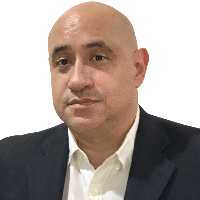
About Victor
He uses straightforward, conversational sessions that focus on practical steps and clearer goals. Expect a mix of talking, skill practice, and occasional reflection exercises tailored to each person. The work often centers on identifying strengths, noticing unhelpful patterns, and trying small changes that feel manageable.
Dr. Franco draws on several therapy approaches to fit individual needs. Cognitive Behavioral Therapy looks at thoughts and behavior patterns to reduce distress. Acceptance and Commitment Therapy supports values-based action even when feelings are difficult. Attachment-based ideas help people understand how early relationships shape current connections.
His background includes graduate study in cognitive psychology, neuroscience, and psychoanalysis, and ongoing doctoral work in Counseling. He has spent significant time providing trauma-focused services in a large New York organization and participates with national and international mental health groups.
Sessions are aimed at helping people build coping skills and clearer priorities, not at quick fixes. Dr. Franco works with each person to set realistic steps forward and to adjust the approach as progress is made.
Areas of expertise
Primary focus
Also works with
Additional focus areas
Therapeutic approaches
Experience
23+ years
Credentials
New York
Languages
English, Spanish
How Dr. Franco’s Approaches Fit Online Work
Dr. Franco commonly uses Acceptance and Commitment Therapy and Cognitive Behavioral Therapy in his work. Acceptance and Commitment Therapy helps people notice difficult thoughts and feelings while choosing actions that match their values, useful for anxiety, grief, and life transitions. Cognitive Behavioral Therapy focuses on identifying unhelpful thought patterns and trying new behaviors to reduce symptoms and improve daily functioning.He also draws on attachment-based ideas to understand how early relationship patterns affect current closeness and communication. This can be helpful for people dealing with intimacy challenges, relationship patterns, and repair after conflict.
Finding the right approach is part of the process. The therapist will talk with each person about goals, preferences, and daily life to decide which methods to emphasize. That collaboration helps shape sessions and makes adjustments as needs change.
If you want online options, please confirm available session formats before booking since the biography does not specify them. Online work can make it easier to fit therapy into busy schedules, save travel time, or choose shorter check-ins when needed. Therapists can adapt exercises, homework, and communication to work well across different arrangements.
Frequently asked questions
What kinds of problems does he help with?
He supports people facing stress, anxiety, depression, addictions, trauma, relationship and intimacy concerns, grief, parenting strain, body image issues, career stress, bipolar mood concerns, and related topics.
What is his general therapy style?
Sessions are conversational and practical, with a focus on skills, clearer goals, and small changes that fit everyday life.
How much clinical experience does he have?
He has 23 years of experience in mental health practice, including work with trauma survivors in a large New York organization.
What are his credentials and practice location?
He is a New York Licensed Mental Health Counselor (LMHC) practicing in New York.
Which languages are supported in therapy sessions?
Sessions are offered in English and Spanish and he accepts international clients.
What session formats are available?
The original biography does not list specific session formats, so confirm current session options before booking to learn whether online or in-person meetings are offered.
How does pricing work for sessions?
Cost varies with location and therapist availability; sessions use a subscription that can be canceled at any time.
How do I begin if I want to work together?
Use the Start Therapy button, complete a short matching questionnaire, and schedule according to the therapist's availability.