- Warm listening
- Practical coping
- Short steps
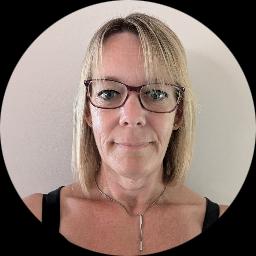
About Zoë
Her work emphasises listening without judgement and helping people name what matters most to them. Sessions focus on what a person wants to change and on small steps that feel manageable. She uses techniques from client-centred practice to keep the conversation grounded in each person’s experience.
Zoë also includes cognitive behavioural ideas to spot unhelpful thinking and to try different ways of coping. She will help people test out new behaviours and notice what makes a difference in day-to-day life. Psychodynamic ideas are used when looking at how past patterns can affect current relationships and reactions.
People come to Zoë for many concerns, including parenting strain, relationship and family difficulties, anger, addiction, depression, ADHD and career stress. She also supports those dealing with chronic illness, body image issues, isolation and life transitions. The aim is practical support that fits each person’s situation.
Sessions follow a subscription model that can be cancelled at any time. To begin, a short matching questionnaire is completed and then a session is scheduled according to therapist availability.
Areas of expertise
Primary focus
Also works with
Additional focus areas
Therapeutic approaches
Experience
3+ years
Credentials
NCPS · United Kingdom
Languages
English
How therapy approaches come alive online
Client-Centred Therapy focuses on listening and supporting the person to make their own choices. It helps when someone wants a non-judgemental space to talk and to build confidence in decision making. Cognitive Behavioural Therapy (CBT) looks at links between thoughts, feelings and actions and uses simple experiments and exercises to try different coping strategies. This can help with anxiety, panic and low mood. Psychodynamic ideas pay attention to long-standing patterns and how earlier relationships can shape current reactions, which is useful for understanding recurring difficulties.Finding the right approach is part of the work. The therapist will discuss goals, preferences and what feels helpful, and then try methods together. Choices are reviewed as therapy progresses so the plan can change to better match each person’s needs.
Confirm the available session options before booking as formats were not specified in the biography. Online therapy can make it easier to fit sessions around work, family or health demands. It can reduce travel time, allow shorter check-ins if needed, and make it simpler to attend from different locations on busy days. Registered or accredited professionals can adapt exercises and homework to suit remote meetings so people can keep making steady progress.
Frequently asked questions
What kinds of problems does this counsellor help with?
Zoë works with stress, anxiety, grief, low self-esteem and related concerns such as parenting strain, relationship and family problems, addiction, depression and ADHD.
How would you describe the therapeutic style?
The approach is client-centred with a focus on listening and working at the client’s pace, alongside cognitive behavioural techniques and some psychodynamic thinking when helpful.
What experience does the counsellor have?
Zoë has three years of professional work experience in the United Kingdom supporting people with a range of emotional and practical difficulties.
What credentials and location are listed?
Zoë holds the NCPS credential and practices in the United Kingdom.
Which languages are sessions offered in?
Sessions are offered in English.
Can people outside the UK have sessions?
International clients are not currently accepted; sessions are provided to people in the United Kingdom.
How are fees handled?
Costs vary with location and the therapist’s schedule; sessions use a subscription model that can be cancelled at any time.
What are the first steps to begin working together?
Start by selecting the Start Therapy button, complete a short matching questionnaire, and then schedule sessions according to the therapist’s availability.